

Windows · Leeds
uPVC windows in Leeds.
Warm, quiet, low-upkeep windows, made to measure for your house and fitted properly by our own team. We'll have a look, talk it through, and give you an honest written quote.
- CERTASS certified – reg. 19‑1239
- 10-year guarantee
- James – 20+ years on the tools
Why uPVC?
uPVC is the sensible choice for most Leeds homes. It's warm, it's secure, and it never needs painting – a wipe now and then keeps it looking new for years. Secure locking, and every installation carries our 10-year guarantee.
Styles and colours
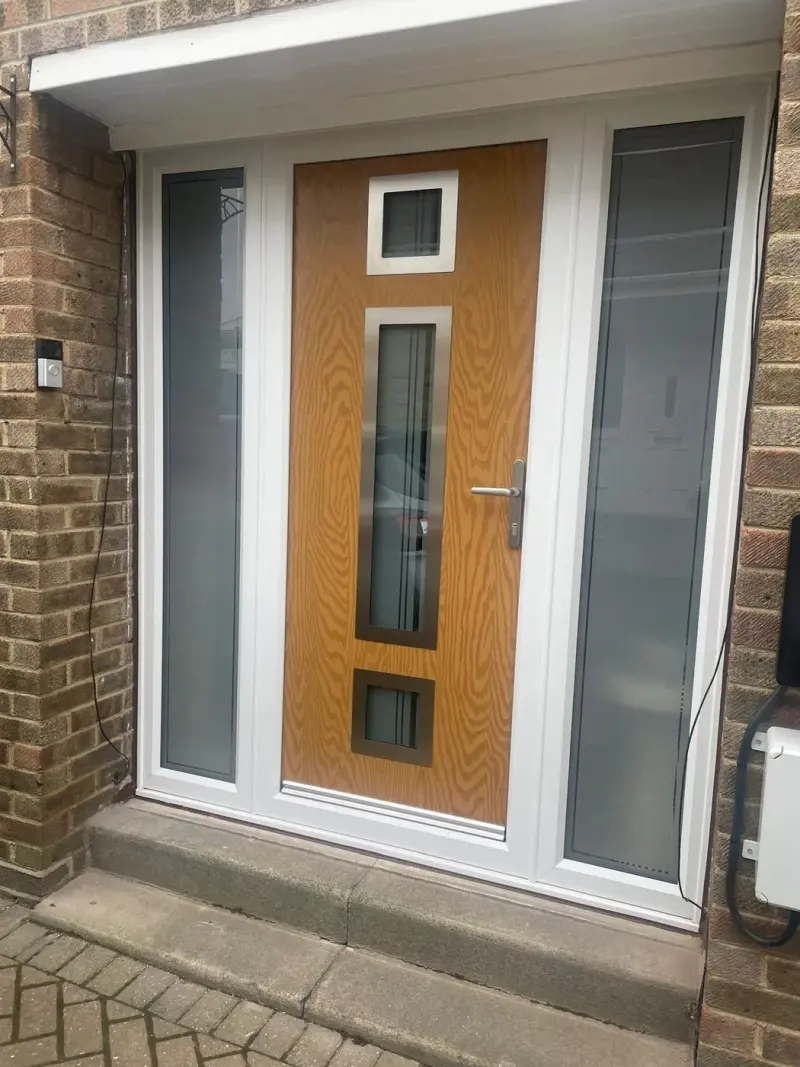
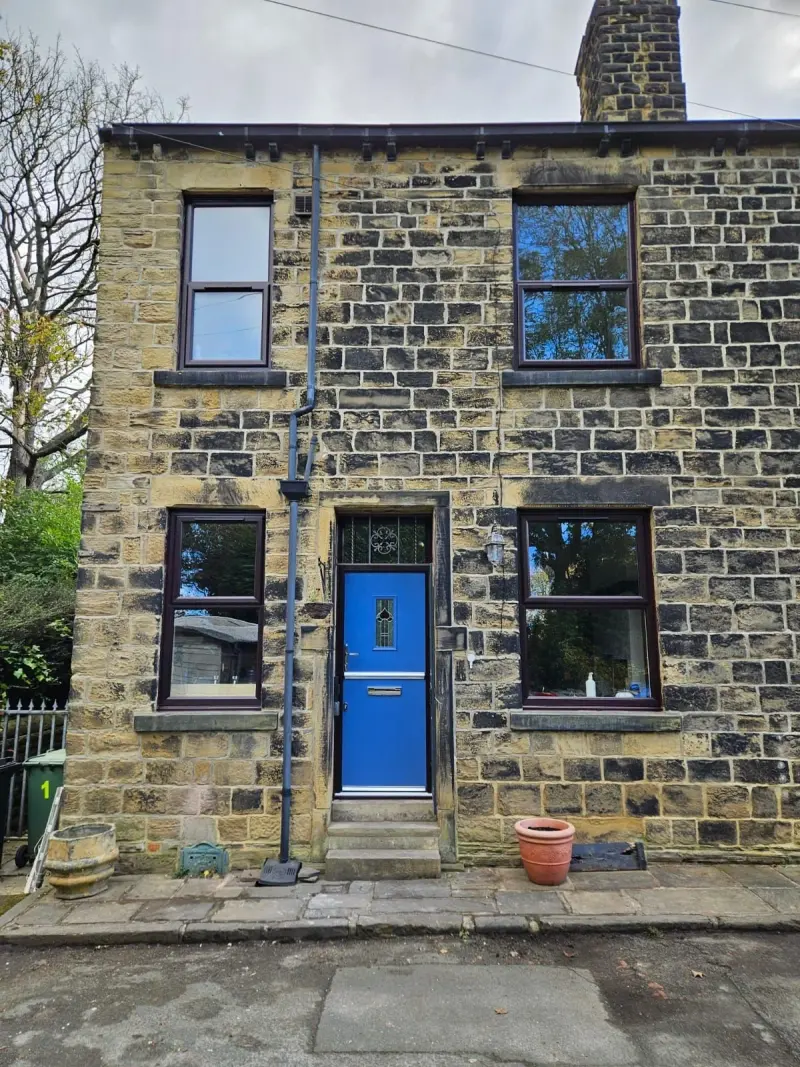
From classic casements to flush fits, in white, woodgrain or anthracite grey. White suits almost everything. Woodgrain sits well against stone and older brick. Anthracite grey looks sharp on rendered and newer homes, though it's a bolder choice than a swatch suggests. We'll help you choose what suits the house – not just the brochure.
Flush casements, and the houses they suit
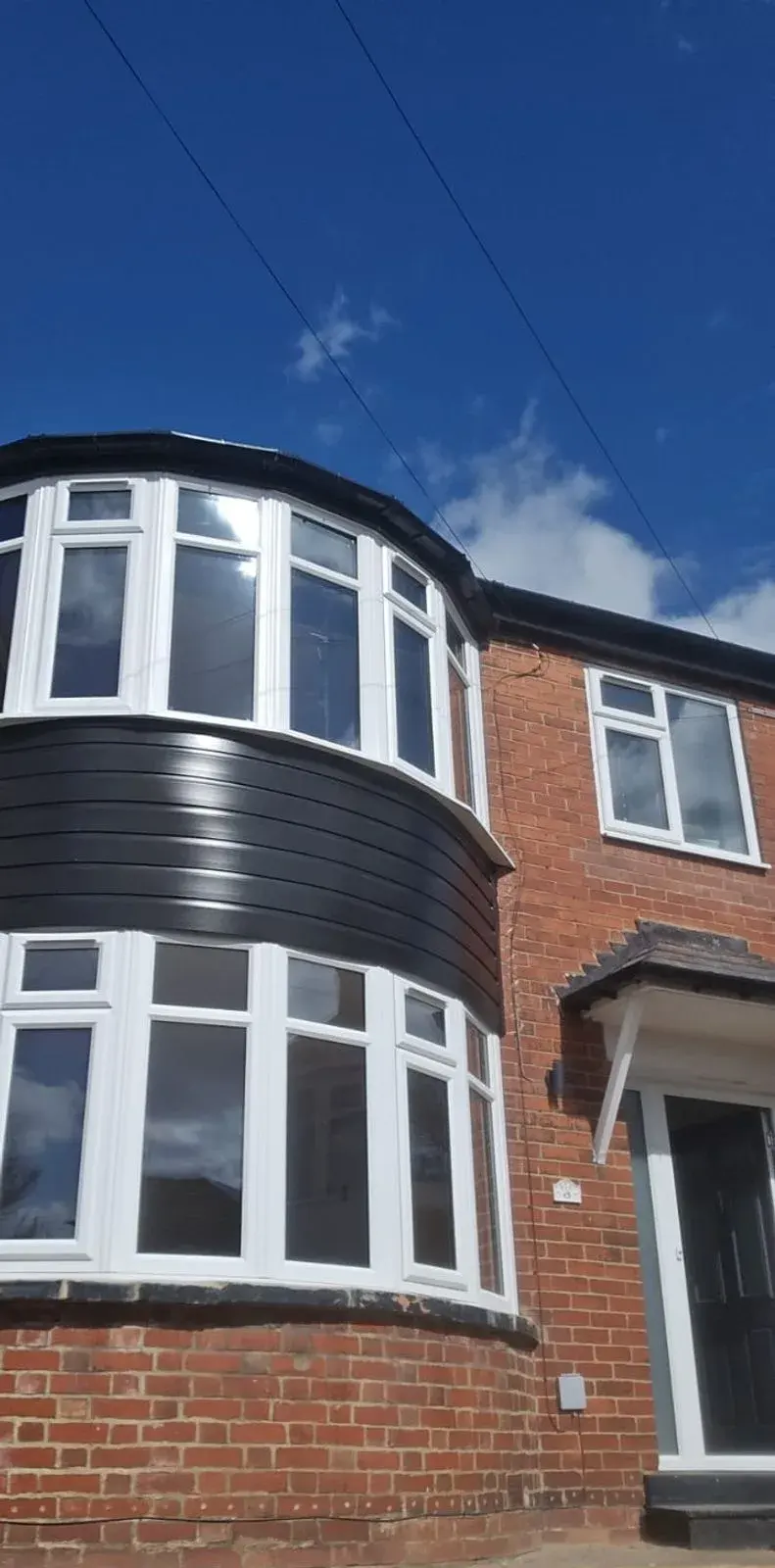
A flush casement is one where the opening sash finishes level with the frame instead of standing proud of it, and it suits the older Leeds frontages that were built around timber windows. The whole face sits in one plane, with a shadow line round the opener and nothing sticking out to catch the light. A standard casement overlaps its frame, which is what makes it read as a modern window from across the road. Neither is better built. It comes down to what the front of the house is asking for.
Yorkshire stone terraces, Victorian and Edwardian fronts, anything whose proportions were set by timber joinery – that's where a flush sash earns its keep. If the house sits in a conservation area, check with the council before you order anything, because they take a view on what the front elevation looks like and it's far easier to ask first. Round the back, or on a post-war estate house, a standard casement does the same job and nobody will ever know the difference. James will walk the front with you and tell you which way he'd go.
- Standard: sash stands proud
- Flush: sash and frame align
A warmer home
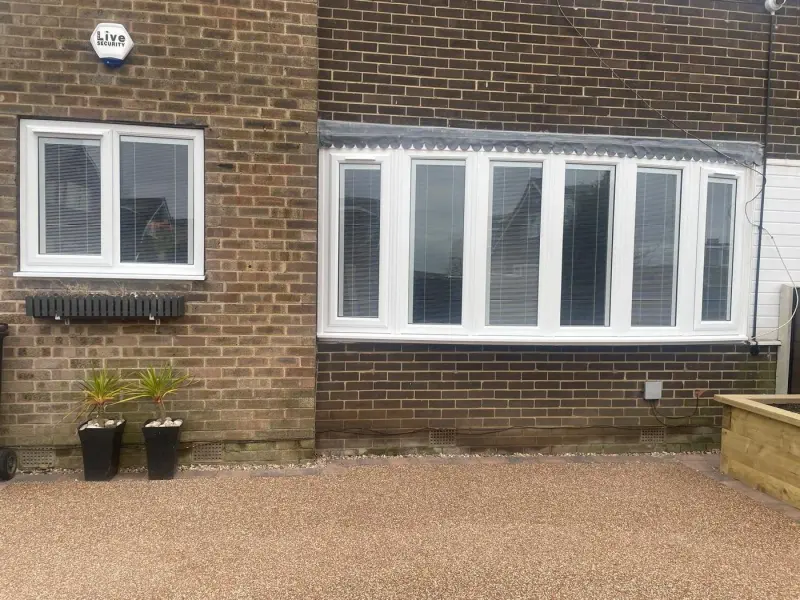
Modern sealed units keep the heat on your side of the glass. If your frames are draughty or the glazing's misted, you'll feel the difference – and we'll tell you honestly whether you need new windows or just a repair.
Do new windows have to have trickle vents?
Usually yes, and it's the ventilation rules asking, not us. Approved Document F, the 2021 edition that came into force in June 2022, works two ways. If the window coming out has trickle vents in it, the one going in must have them too, and they cannot be smaller. If the old window had none, the rule is that ventilation in that room must not end up worse than it was, which in an ordinary Leeds house means fitting vents anyway. The exception is a home already served by mechanical ventilation running continuously, and very few of the houses we work on are.
People assume the vents are something we're upselling. They are the opposite. They let cold air into a room we have just sealed, which is the last thing a fitter wants to explain on handover day. They are there because of damp. New windows seal far tighter than the draughty frames they replace, and the moisture from cooking, washing and drying has to go somewhere. Take the draughts away and give it no route out and it lands on the coldest surface in the room. We'd rather fit the vents and leave the house warm and dry than dodge them and be back about black mould.
The frontage keeps its face. The rooms keep their warmth.
The energy standard a replacement window has to meet
Whole-unit U-value
The heat lost through the entire window, frame and glass together. A replacement has to reach 1.4 W/(m²·K) or better.
Window Energy Rating
Band B or better clears the same bar. It's one route or the other, so a window doesn't need both.
Centre-pane does not count
A centre-pane number describes one spot on the glass, not the window, so it cannot be used to show the standard is met.
So when you're comparing written quotes, ask each one for the whole-unit figure or the energy rating, and make sure you're reading the same measure on both. Two windows can sound identical on paper and be measured in completely different ways. If a line on a quote isn't clear, ring James and read it out to him – he'll tell you straight what it does and does not say.
The questions we hear most
Will new windows make the house warmer?
Yes, noticeably – and in most Leeds homes it's the draughts that make the difference, not the glass alone. New windows seal tight all the way round the frame, so cold air stops creeping in at the edges, and modern sealed units hold the warmth in the room instead of leaking it to the street. Everything we fit meets current Building Regulations for heat retention, so you're not just taking our word for it.
We won't promise a number on your heating bill – anyone who does is guessing. What you'll notice is rooms holding their warmth longer, radiators easing off sooner, and the cold spot by the window disappearing. If your frames are on their way out, you'll feel the difference the first cold week.
How long do uPVC windows last?
Good uPVC windows last around 20 to 25 years, and every set Wortley Windows & Doors fits in Leeds is covered by our 10-year guarantee. They never need painting – an occasional wipe down with warm soapy water is the whole maintenance routine. No sanding, no flaking, no ladder out every other summer.
When a sealed unit does eventually age, misting between the panes is usually the first sign. On windows a couple of decades old it's often the frames and seals that have gone, not just the glass. Either way, call James and the team – we'll have a look and tell you honestly whether it needs a repair or a replacement.
"From start to finish we received excellent service."
Straight answers
Warm in winter. Quiet on the street. Wiped, not painted.
- Our own fitters, not subcontractors The people who measure up stand behind the work
- Never needs painting A wipe now and then is the whole routine
- 10-year guarantee Carried by every installation
Why Wortley
Fitted properly, first time
We fit every job with our own skilled team – not subcontractors. James, the owner, is a tradesman with more than twenty years on the tools, and he leads a small team of our own fitters: the people who measure up are the people who stand behind the work. We're family-run, based in Lower Wortley – no showroom, no call centre, no sales patter. And we're CERTASS certified (registration 19‑1239), so your installation is registered and self-certified to Building Regulations – nothing for you to chase with the council.
"The team worked hard and efficiently with minimal disruption."
Do replacement windows need Building Regulations approval?
Yes – replacement windows are a controlled fitting under Building Regulations, so the work has to be signed off, in Leeds the same as everywhere in England. The good news: because Wortley Windows & Doors is CERTASS registered, we self-certify our own installations. No application, no council inspector, nothing for you to chase – the certificate arrives once the job's done.
Keep it with the house paperwork. Solicitors ask for it when you come to sell, and chasing a copy years later is a headache you don't need. It's one of the quiet differences between a registered installer and a bloke with a van.
What does it cost?
Every opening is different, so we don't do list prices. We come and measure, then give you an honest written figure – no pressure, no chasing phone calls afterwards. Want to spread the cost? Finance is available.
Where we work
Based in Lower Wortley (LS12) and fitting across Leeds – Pudsey, Bramley, Armley, Kirkstall, Horsforth, Farsley, Stanningley, Calverley and Morley included.
Ready to swap the draughty ones?
- CERTASS certified – reg. 19‑1239
- 10-year guarantee
- James – 20+ years on the tools